
48 hr
Fergana Valley Silk Road Discovery: 2-Day Tour from Tashkent
Journey through Uzbekistan's authentic Golden Valley with silk workshops, ceramic artisans, and mountain passes
Reserve
Weavers' shuttles and potters' wheels, palace courtyards and mulberry groves
Hand-picked by our editors — only the best 5 experiences from 12 reviewed.
Verified partners for every tour, free cancellation where available, and instant confirmation on every booking.
48 hr
Journey through Uzbekistan's authentic Golden Valley with silk workshops, ceramic artisans, and mountain passes
Reserve
8 hr
Journey through mountain passes and ancient Silk Road cities to witness ceramic and silk craftsmanship
Reserve
48 hr
Two-day cross-border journey through Tajikistan's second city and Uzbekistan's silk heartland
ReservePrices from verified partners. Availability updates in real time at checkout. Free cancellation policies apply where shown.
The landmarks, rooms, and views travelers on this tour remember — all visible on a single visit.
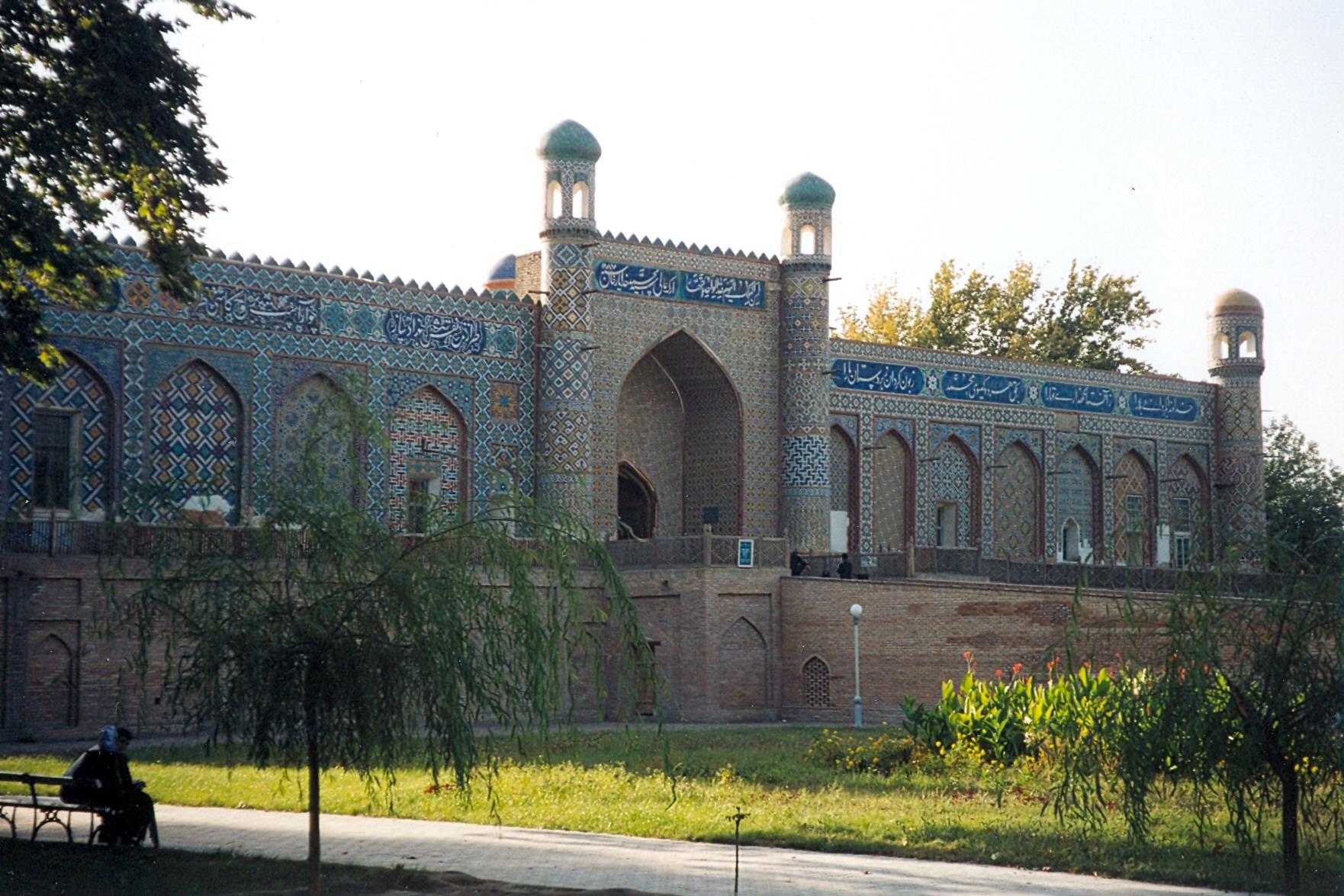
This ornate 19th-century palace remains a centerpiece of the Fergana Valley tour history. It features 119 rooms across seven courtyards.
Experience the ancient process of ikat silk weaving at this legendary site. The factory utilizes traditional looms for intricate designs.
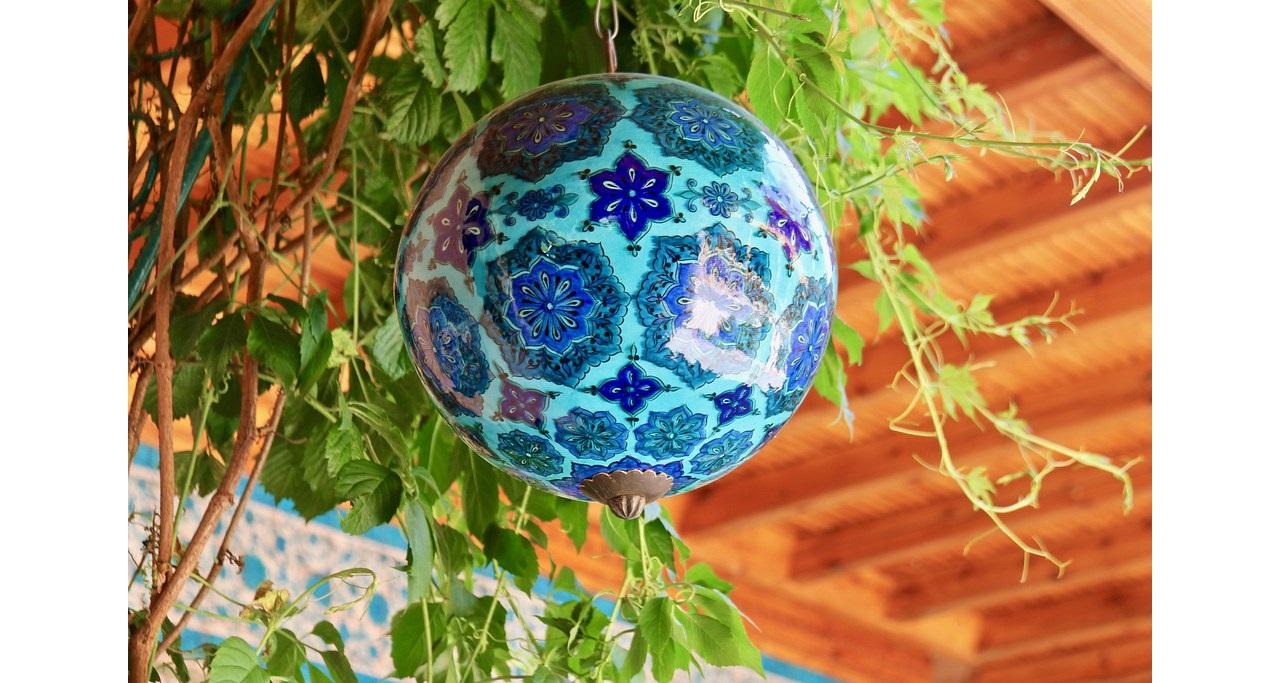
Famous for blue-glazed ceramics, these workshops showcase centuries of artisan skill. Visitors can witness the glazing process firsthand.
This functioning school serves as a testament to the region's historical education. It houses unique woodcarvings and traditional interiors.
A stunning architectural landmark in Andijan, this site is known for its expansive minaret and courtyard.
They complement each other; most visitors who do both call the Fergana Valley the more authentic rural immersion, while Samarkand remains the definitive architectural showcase.
| Feature | Top pick Fergana Valley Tour | Samarkand Excursion |
|---|---|---|
Primary Focus |
Traditional crafts and rural landscapes | Monuments and Silk Road history |
Travel Infrastructure |
Regional road connectivity | High-speed train links |
Core Experience |
Artisan workshops and village life | Majestic plazas and mausoleums |
Typical Duration |
2–4 days | 1–2 days |
Main Handicrafts |
Silk weaving and pottery | Gold embroidery and paper making |
| See tickets → |
Verdict: If you are seeking fergana valley tour tours, prioritize Fergana for living heritage, but secure your Samarkand excursion tickets to witness the structural zenith of Timurid civilization.
Choose your ticket, select your date, and reserve in under two minutes. Secure checkout handled by our verified partner.
Instant confirmation by email, with a mobile voucher you can save offline. No printing, no queuing at a collection desk.
Arrive at the entrance, show your voucher on your phone, and walk in. Most tickets include priority or skip-the-line access.
Practical details for your visit straight from our verified partners — hours, access, rules, and how to get there.
Main Square, Fergana, Uzbekistan
Central meeting point for transport
Private transport is the most flexible way to navigate the Fergana Valley tour routes.
Shared taxis connect major cities, though schedules are flexible.
Dress modestly when visiting a religious Fergana Valley tour site or rural village. Shoulders and knees should be covered to show respect to local traditions.
Carry small daypacks for your Fergana Valley tour itinerary. Larger luggage may be difficult to store at traditional craft workshops.
Photography is generally permitted at historical landmarks during your Fergana Valley tour. Always ask permission before photographing local residents or private workshop interiors.
Many sites in the Fergana Valley tour route have uneven terrain and limited wheelchair access. Verify specific landmark facilities before your arrival.
The Fergana Valley tour is suitable for families interested in cultural education. Be prepared for long travel distances between different urban centers.
Sample local plov and fresh bread at traditional teahouses during your Fergana Valley tour. Always carry bottled water while exploring the regional geography.
Main Square, Fergana, Uzbekistan
Central meeting point for transport
Get directionsBest time to go, insider tips, nearby landmarks, and the cancellation fine print — flip through to skim what matters to you.
How crowds, weather, and events shift across the year.
Mild temperatures and blossoming orchards make this ideal for any Fergana Valley tour experience.
Cooler weather in September and October provides comfortable conditions for outdoor sightseeing.
Expect hot temperatures, requiring early morning starts for your Fergana Valley tour activities.
Cold temperatures often lead to quieter sites, though some workshops may have limited hours.
Small details that turn a good visit into a great one.
Always carry UZS in cash as card payments are limited in rural workshops.
The regional climate is arid, so maintain a steady supply of drinking water.
Gifting small items is a polite gesture when visiting family-run workshops.
Respectful clothing ensures easier access to historical religious sites.
Begin your day at 09:00 to avoid the midday heat.
Hiring a local guide enhances your Fergana Valley tour with deep cultural context.
Non-bookable sights within a short walk — free to visit, easy to pair.
Majestic 19th-century palace architecture.
Historical school with traditional woodcarving.
Famous hub for traditional blue-glazed pottery.
Significant religious structure in the Andijan region.
Flexible, no hidden fees.
Full refunds are typically provided for bookings cancelled at least 48 hours before the start time. Entrance fee to the region is 0 UZS.
Hand-picked options within walking distance — pick a district for vibe, or a specific hotel for convenience.
Central location with modern amenities.
Authentic stay near local artisan workshops.
Convenient base for historical site visits.
The Fergana Valley produces eighty percent of Uzbekistan's raw silk, and the region's looms have run without interruption since the eighth century. Stretched across three hundred kilometers between the Tian Shan and Pamir-Alay ranges, the valley became Central Asia's most densely irrigated agricultural zone under Sogdian engineers who channeled snowmelt into a latticework of canals still visible from aircraft. By the ninth century, Margilan had emerged as the Silk Road's primary weaving hub, supplying caravans bound for Kashgar and Isfahan. Today, the Yodgorlik Silk Factory in Margilan operates the region's last hand-reeling workshop, where artisans still boil cocoons in copper vats and stretch filament across wooden frames. The process remains identical to medieval methods documented in Persian trade ledgers. Kokand rose to prominence in the eighteenth century as the capital of an independent khanate controlling the valley's entire breadth. The Khudoyar Khan Palace, completed in 1873, stands as the region's most elaborate tilework monument — its seventy-meter façade carries geometric panels in cobalt, turquoise, and yellow oxide, each assembled from hand-cut majolica tiles fired in Rishtan kilns. The palace's nineteen courtyards once housed administrative offices, treasury vaults, and a harem quarter, though only the entrance iwan and six interior halls survived Soviet demolition campaigns. Rishtan, thirty kilometers south of Kokand, remains Central Asia's uninterrupted ceramic center. Local clay contains high iron and quartz content, producing a distinctive amber base that potters coat in ishkor glaze — a cobalt-rich mixture derived from desert plants and crushed lapis lazuli. Fergana Valley tours operate year-round, though silk production peaks in late spring when mulberry leaves reach full size and reeling workshops run double shifts. Two-day itineraries from Tashkent cross the Kamchik Pass — a Soviet-era tunnel replaced in 2016 by a nineteen-kilometer bore cutting transit time to four hours — and include overnight stops in Kokand or Fergana city. Single-day heritage circuits focus on Kokand's palace complex and Rishtan's ceramic quarter, covering one hundred forty kilometers in structured workshop visits. Craft immersion tours dedicate full mornings to Margilan's silk factories, where visitors observe cocoon sorting, thread dyeing with pomegranate and walnut husks, and ikat pattern binding on manual looms. The valley's workshops accept walk-in visitors, but guided tours secure access to private ateliers and master craftsmen's demonstrations unavailable to independent travelers. Autumn brings harvest festivals and lower visitor volumes, making September through November the valley's most navigable touring window.
"The Yodgorlik Silk Factory in Margilan operates the region's last hand-reeling workshop, where artisans still boil cocoons in copper vats and stretch filament across wooden frames."
A step-by-step walkthrough of the visit — what you'll see, how long each stage takes, and the details that matter.
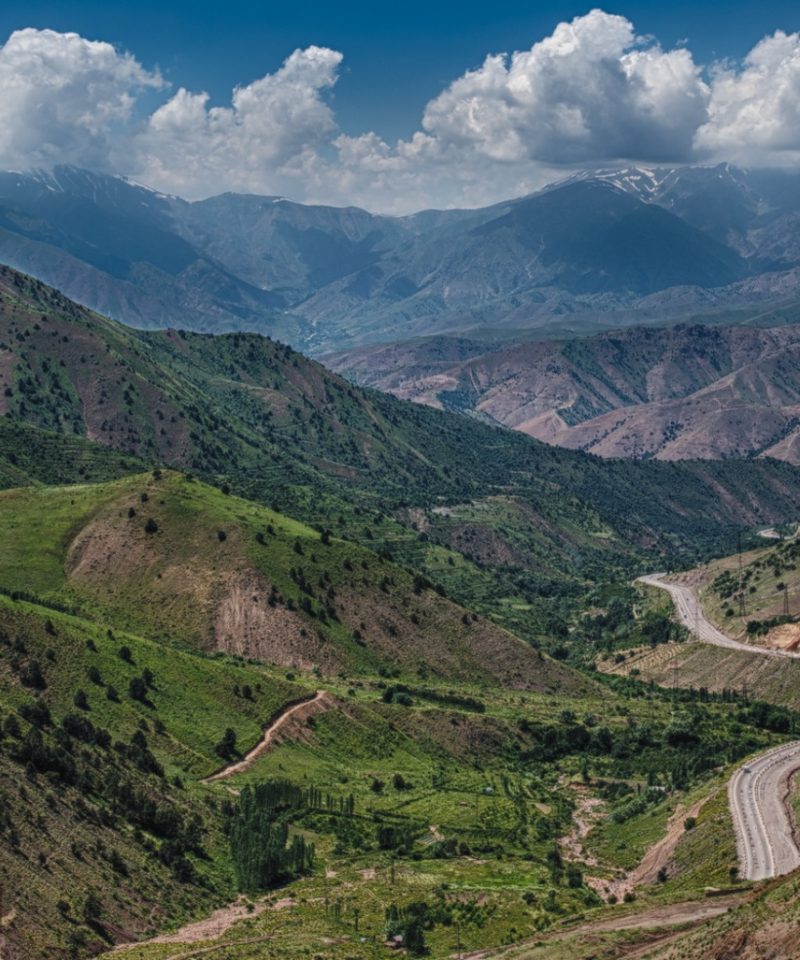
You depart Tashkent at dawn, crossing the Kamchik Pass as the first light reaches the eastern peaks. The valley opens below in a grid of orchards and cotton fields, irrigation channels catching the early sun. By mid-morning you arrive in Margilan, where the Yodgorlik Silk Factory hums with the rhythm of hand looms. You watch reelers pull filament from boiling cocoons, the thread so fine it vanishes against the light. In the dyeing hall, skeins hang in gradients from saffron to indigo, each color drawn from crushed plants and mineral powders measured by weight. After lunch you drive south to Rishtan, passing clay pits where potters dig raw material from Paleogene deposits. In a ceramicist's courtyard workshop, you observe wheel throwing and glaze application — the ishkor mixture applied in three coats, each dried before the next. The kiln, a wood-fired brick chamber, reaches eleven hundred degrees and fires overnight. By late afternoon you reach Kokand, where the Khudoyar Khan Palace stands against the valley's western rim. You walk the entrance iwan, its tilework columns casting geometric shadows across worn marble. The palace museum holds Khanate-era manuscripts and carved shutters, the wood darkened by a century of coal smoke and desert dust. You leave as the muezzin calls from the Jami Mosque, the valley settling into evening blue.
The region is accessible daily from 00:00–23:59. Entry to the region is 0 UZS, though individual sites may charge fees.
Accessibility varies significantly across the Fergana Valley tour sites due to historical infrastructure.
Prohibited items include drones, weapons, and large luggage. Please check your specific tour details.
Photography is allowed at most landmarks on your Fergana Valley tour. Always ask permission at private workshops.
The best arrival window is 09:00–17:00. Spring and autumn offer the most comfortable weather.
Wear modest clothing covering shoulders and knees. This is vital when entering religious or rural locations.
Meals are typically not included unless specified in your booking. Local teahouses offer authentic culinary experiences.
Public transport and shared taxis are standard methods for traveling between Fergana Valley tour destinations.
Yes, families are welcome. Please ensure your itinerary accounts for the travel distances between sites.