Fergana Valley Tour From Tashkent
Travel Planning

Is Tashkent Worth Visiting

Travelers bound for the Fergana Valley often debate whether to spend time in Tashkent or proceed directly east. The capital sits three to four hours from Fergana by road, making it a natural staging point rather than a detour. This guide weighs the logistics, cultural stops, and practical reasons to pause in Uzbekistan's largest city.

8 min read Updated 2026-11-01 Fact-checked
Is Tashkent Worth Visiting

Quick answer

Tashkent is worth visiting for one to two days when traveling to or from the Fergana Valley, particularly as a logistical hub and cultural contrast to the valley's smaller artisan towns. The city offers free access to its metro, bazaars, and most public squares, with the best arrival window between 08:00 and 18:00 for exploring neighborhoods and museums. Most visitors use Tashkent to arrange onward transport, exchange currency, and experience Soviet-era architecture before heading east.

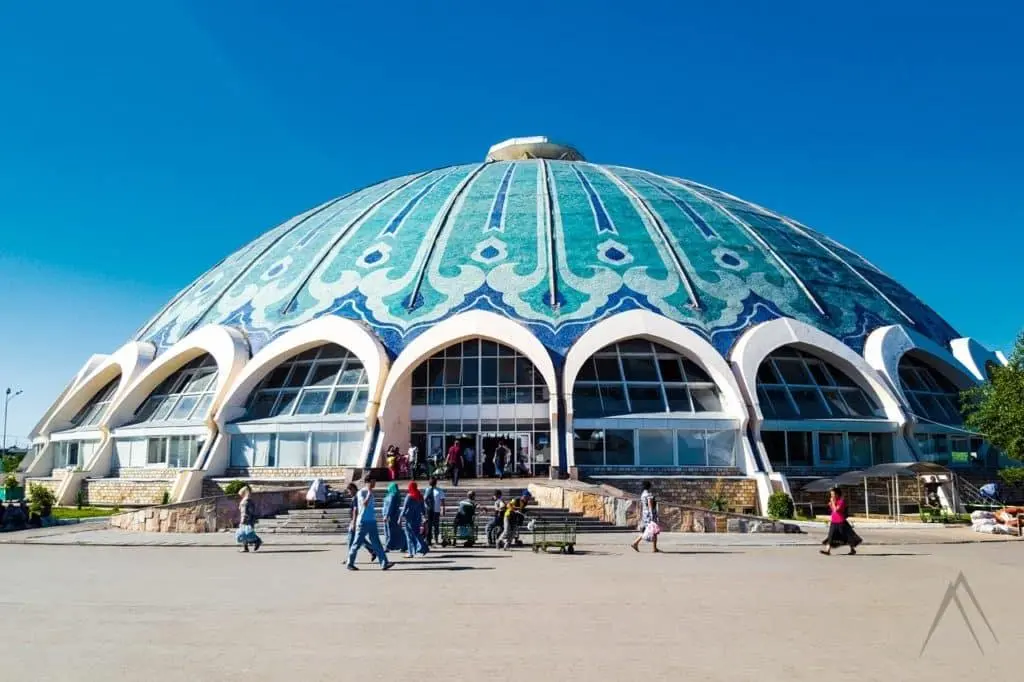
Tashkent handles nearly all international arrivals into Uzbekistan, positioning the capital as an unavoidable first or last stop for Fergana-bound travelers. The question is not whether to pass through but whether the city justifies more than a transit layover. The capital functions as the valley's opposite in scale and rhythm. Where Fergana's towns center on silk workshops and ceramics studios, Tashkent spreads across a grid of wide avenues, Soviet monuments, and a fourteen-station metro system decorated with chandeliers and marble. Chorsu Bazaar anchors the old-town quarter beneath a turquoise dome, trading dried fruits, spices, and flatbread in a covered hall that predates the 1966 earthquake. The Hazrati Imam complex holds one of the world's oldest Quran manuscripts, displayed in a climate-controlled chamber open to visitors without advance booking. These landmarks require no entrance fee and sit within walking distance of budget guesthouses clustered near the Amir Timur metro stop. Is Tashkent worth visiting for its own sake? The answer depends on how you value urban infrastructure versus rural craft. Travelers prioritizing artisan encounters and mountain scenery often allocate just enough time in the capital to secure onward tickets and withdraw sum notes from ATMs near the railway station. Those interested in post-Soviet architecture, museum collections, and Central Asian street food find the city rewards a longer stay. The Tashkent Metro itself functions as a museum of Cold War design, with each station themed around Uzbek motifs—cotton bolls, space exploration, hydraulic engineering—rendered in Socialist Realist style. Practical needs also shape the itinerary. Fergana Valley's three provincial capitals—Fergana, Andijan, Kokand—lack the range of international services available in Tashkent. Visa extensions, embassy access, and reliable currency exchange concentrate in the capital, making a pre-valley stopover advisable for travelers managing logistics. Direct shared taxis depart hourly from Tashkent's Oloy Bazaar to Fergana city, covering the route in under four hours when the Kamchik Pass remains open. Most visitors heading east spend one night in Tashkent, using the daylight hours to walk the old quarter and stock supplies before the mountain crossing.

“The capital functions as the valley's opposite in scale and rhythm, trading silk workshops for Soviet monuments and a metro system older than most of its riders.”
What to see

Why Is Tashkent Worth Visiting Before Exploring the Fergana Valley?

Tashkent serves as the functional gateway to Uzbekistan, offering a contemporary urban contrast to the traditional craftsmanship found throughout the Fergana Valley. Exploring the capital provides context for the historical transition toward the regional hubs of Kokand, Margilan, and Rishtan.

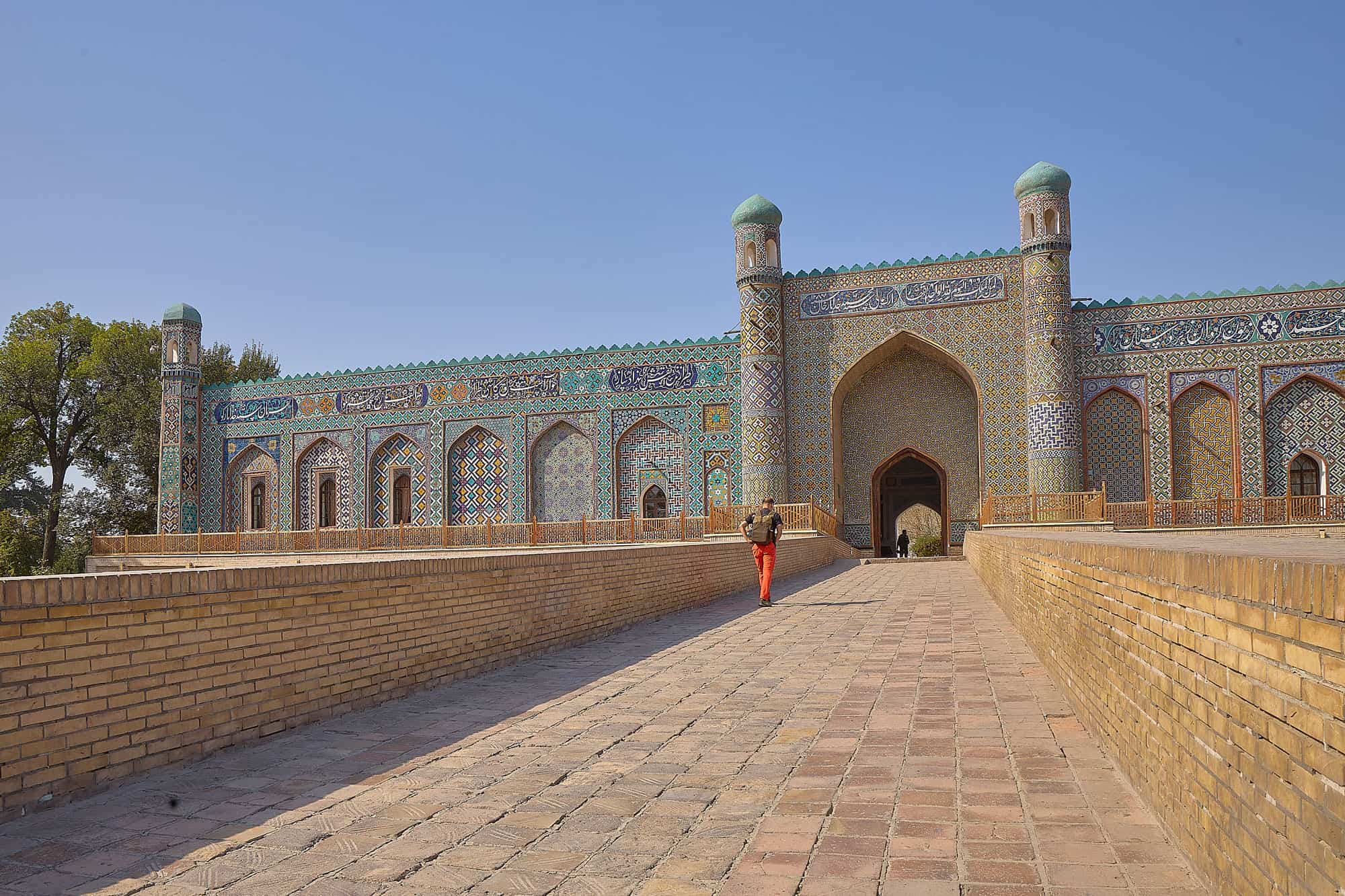
Kokand Palace of Khudayar Khan

Kokand Palace of Khudayar Khan

This ornate structure served as the residence of the last rulers of the Kokand Khanate, showcasing complex tilework and wood carving. It functions as the primary architectural anchor for the western entrance to the valley.

Observe the geometric patterns on the main entrance facade during midday.
Margilan Silk Workshops

Margilan Silk Workshops

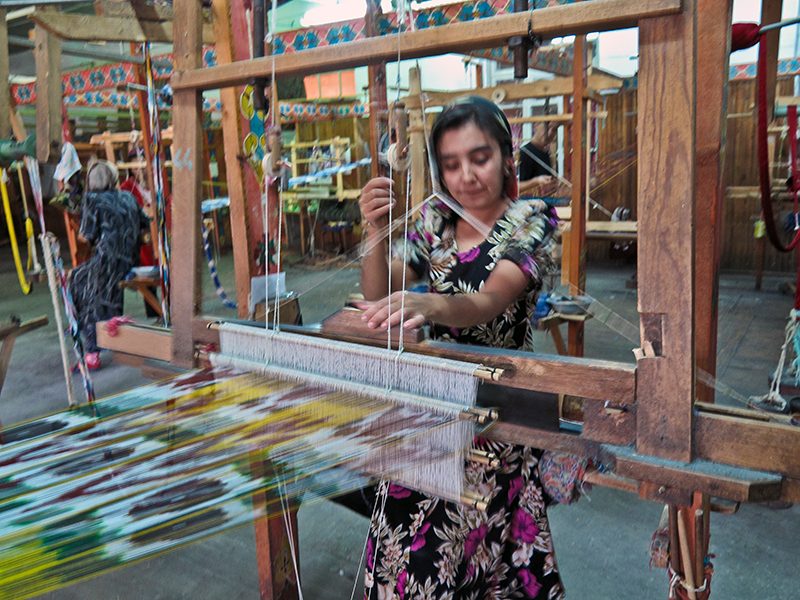
These centers maintain the tradition of ikat weaving, where artisans produce adras and khan-atlas textiles using ancient methods. Visitors can observe the transformation from raw cocoons to finished silk garments.

Watch the dying process in the morning to see vibrant colors.

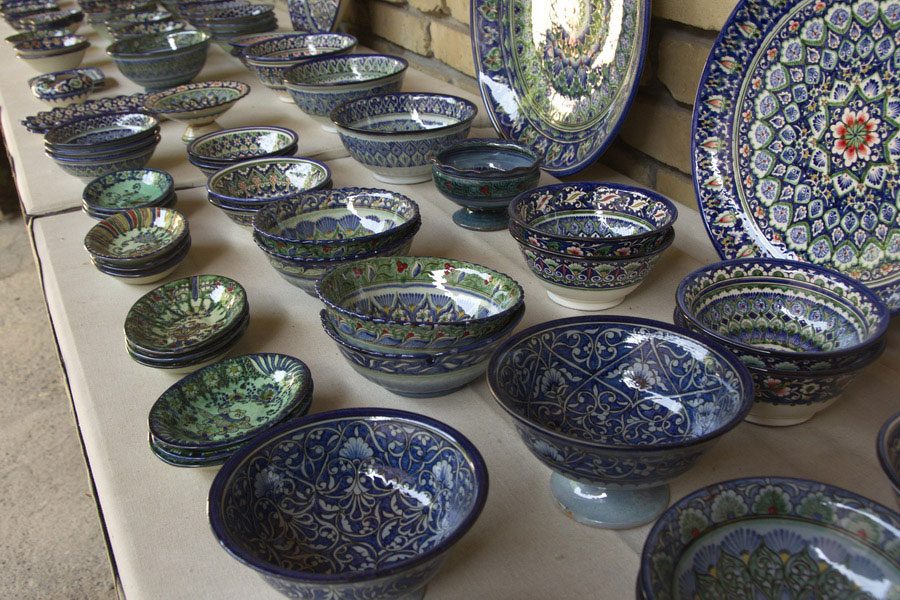
Rishtan Ceramics Center

Rishtan Ceramics Center

Rishtan is recognized for its distinctive blue-glazed pottery, known as ishkor, which utilizes natural mineral pigments. Local workshops demonstrate the hand-molding and painting techniques passed down through generations.

Look for the unique blue glaze applied to traditional plates.

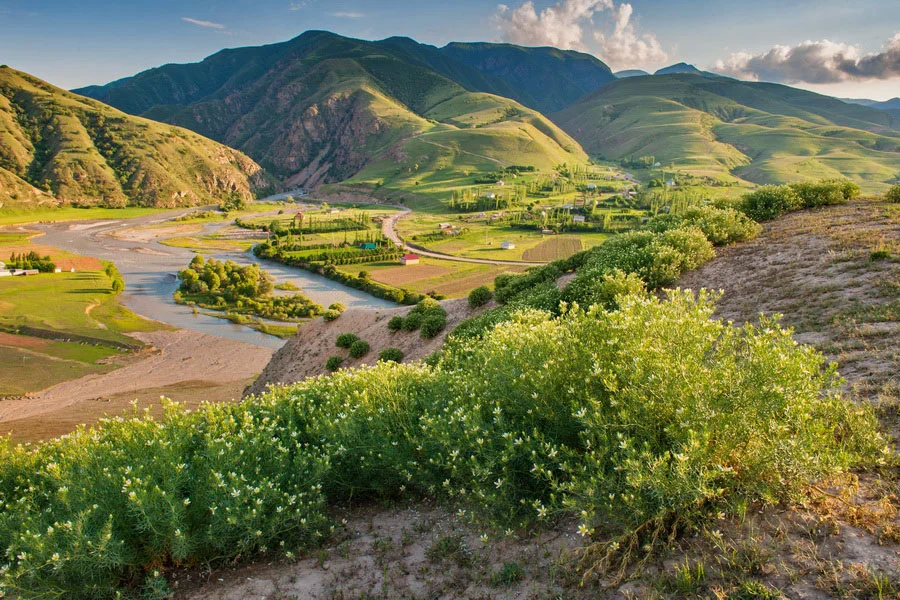
Fergana Valley Landscape

Fergana Valley Landscape

The region is a geographic basin defined by its agricultural output and the surrounding mountain ranges. It provides a distinct climate and topography compared to the urban environment of Tashkent.

View the valley floor from the mountain passes while traveling.

Timing

When Is Tashkent Worth Visiting for a Fergana Valley Trip?

The spring months of April and May and the autumn months of September and October offer the most stable weather for exploring artisan workshops and valley landscapes. During these periods, moderate temperatures ensure comfortable travel throughout the region.

Spring (April-May)

Moderate

Mild, 15°C to 25°C. These months provide ideal conditions for outdoor activities and visiting workshops before the summer heat settles in.

Autumn (September-October)

Moderate

Cool, 15°C to 25°C. The harvest season brings pleasant temperatures and clear conditions for viewing the valley scenery.

Daytime Arrivals

Variable

—

The best arrival window is 08:00–18:00, which offers the most consistent light and temperature for exploring regional towns.

Verdict: For optimal conditions, plan your trip during April, May, September, or October, ensuring arrivals occur between 08:00 and 18:00.

Directions

How to Get There: Is Tashkent Worth Visiting as a Starting Point?

The Fergana Valley is located in eastern Uzbekistan, separated from Tashkent by the Kurama Range. The most reliable approach for travelers involves the electrified railway through the Kamchiq Tunnel or a direct road journey over the Kamchiq Pass.

Train 4–6 hours —

O'zbekiston Temir Yo'llari from Tashkent Central to Kokand/Margilan

Car 5–7 hours —

A373 highway via Kamchiq Pass

Taxi 5–6 hours —

Shared taxi service from Tashkent Kuyluk Bazaar

Plan your travel within the best arrival window of 08:00–18:00 to ensure optimal road visibility on the mountain pass and availability of local transport upon reaching regional hubs.

Etiquette

Cultural Etiquette: Is Tashkent Worth Visiting Before Regional Travel?

The Fergana Valley's artisan communities and rural households follow traditional codes distinct from Tashkent's urban pace. A brief stop in the capital familiarizes visitors with foundational Uzbek etiquette—bread respect, tea ceremony basics, mosque protocols—before applying these customs in valley towns where expectations run deeper and English support thinner.

Do

  • Ask permission before photographing artisans at work in silk or ceramic studios
  • Remove shoes when entering private homes or workshop prayer spaces
  • Accept tea when offered; refusing hospitality can offend rural hosts
  • Dress modestly in villages—covered shoulders and knees for both genders
  • Greet elders first with a slight bow and right hand over heart

Don't

  • Don't step on or place items atop bread or nan
  • Don't photograph women without explicit consent, especially in conservative valley towns
  • Don't interrupt artisans mid-process; wait for natural pauses to ask questions
  • Don't gesture or hand items with your left hand
  • Don't enter mosques during prayer times unless invited by local worshippers
Book

Check availability

Frequently asked

Common questions: is tashkent worth visiting and Fergana Valley travel

Everything you need to know about is tashkent worth visiting

Is tashkent worth visiting before traveling to the Fergana Valley?

Travelers often find that the capital serves as an essential gateway to Eastern Uzbekistan, making it a logical starting point for your journey. Many visitors decide is tashkent worth visiting specifically to acclimate before heading toward the diverse artisan hubs of the east.

Does a Fergana Valley trip require separate admission fees?

The Fergana Valley is a geographic region rather than a single attraction, meaning there is no unified admission cost. You will find that entry fee from 0 UZS applies to the region as a whole, though individual workshops or historic sites may have their own policies.

What is the best arrival window for visiting regional workshops?

The recommended arrival window for exploring regional towns and artisan workshops is 08:00–18:00. This timeframe provides the best light and moderate temperatures for navigating local landscapes.

Is tashkent worth visiting if I only have time for the Fergana Valley?

While the valley offers rich history, travelers often weigh if tashkent worth visiting for its modern amenities and transport connectivity. Choosing to spend time in both locations allows for a balanced experience of urban life and rural craftsmanship.

How should I plan my itinerary around the Fergana Valley region?

Your planning should prioritize the distinct districts of the valley, such as Margilan for silk production or Rishtan for ceramics. We suggest checking the official site at https://uzbekistan.travel to align your schedule with local artisan activity.

Is tashkent worth visiting for cultural context?

Many cultural enthusiasts conclude is tashkent worth visiting because of its museums and proximity to transit hubs that facilitate regional exploration. It provides a foundational understanding of the country before you venture deeper into the valley.

What is the most efficient way to reach the Fergana Valley?

Most travelers reach the region by train or private transport, which connects the capital to major provincial centers. We encourage you to review local transit schedules to ensure your trip fits within the daylight hours.

Keep reading

More guides & pages